
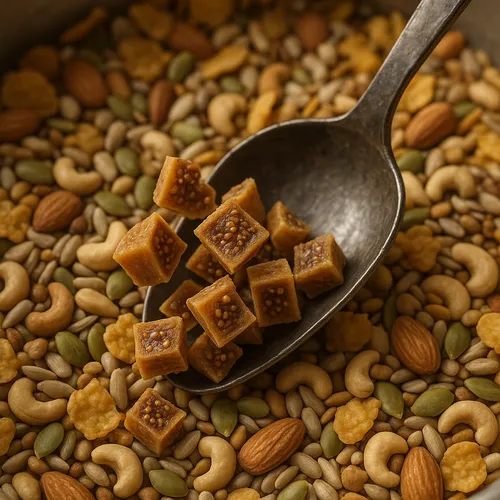
How to use bulk dried figs in premium snack mixes.
Practical ideas for combining yellow-lobed Aydın figs with nuts and seeds in high-value snack and trail mixes, and how to choose the right fig forms for this segment.
Atlas Academy is a knowledge hub created for importers, brand owners, roasters and manufacturers who work with Turkish dried fruits and nuts. Instead of complex technical papers, we focus on real-world applications, packaging ideas, sourcing strategies and trading considerations that help you build a stronger dried fruit and nut business.
Below you will find article series for each major product we supply: dried figs, dried apricots, dried mulberries, raisins, apricot kernels, pine nuts, Aydın chestnuts, pistachios and hazelnuts. New articles will be added regularly to reflect market changes and project experience.

Each article is written from a buyer’s perspective and highlights how to position products, what to consider when negotiating prices and how to choose the right formats. All texts are based on our work with international partners and practical questions from the market.
Practical ideas for combining yellow-lobed Aydın figs with nuts and seeds in high-value snack and trail mixes, and how to choose the right fig forms for this segment.
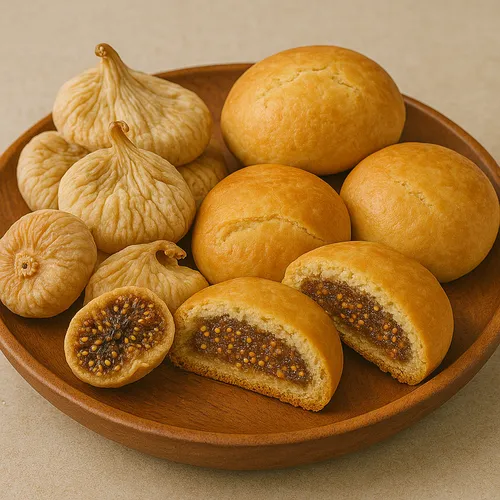
How bakery producers integrate diced and paste-like fig preparations into breads, cookies and pastries, and what to specify when buying in bulk.
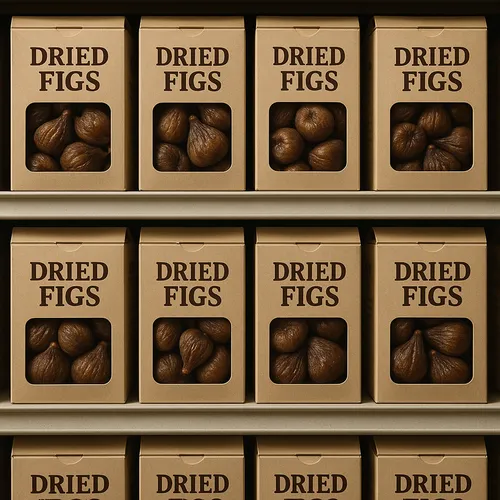
An overview of Lerida, Protoben, Pulled, Layer and other fig forms, and how retail buyers match these options to different price segments and brand positions.
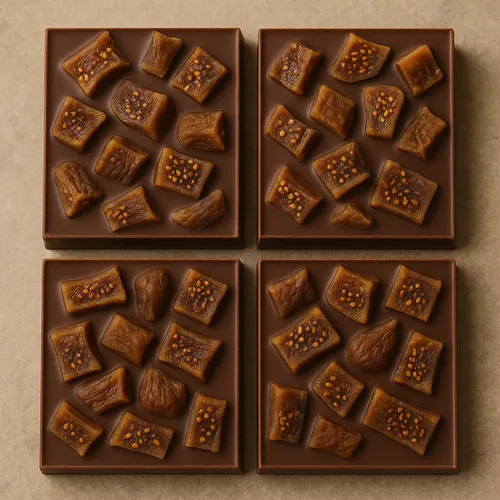
How confectionery manufacturers integrate figs into tablets, pralines and coated products, and what bulk specifications work best for smooth production.

A buyer-friendly explanation of the main drivers behind dried fig prices, and how to frame negotiation discussions around quality, packing style and shipment timing.
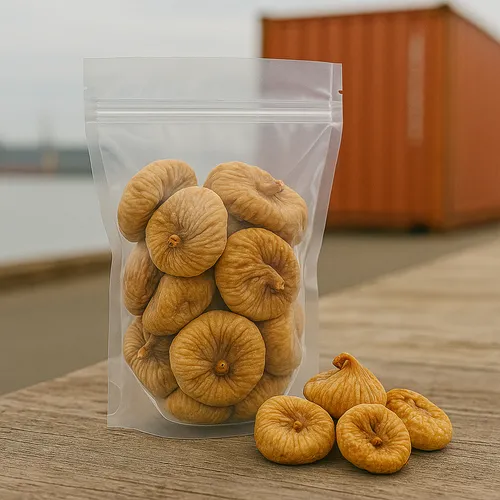
How importers combine figs with apricots, raisins and mulberries in one container to improve freight efficiency while still keeping clear product separation and traceability.
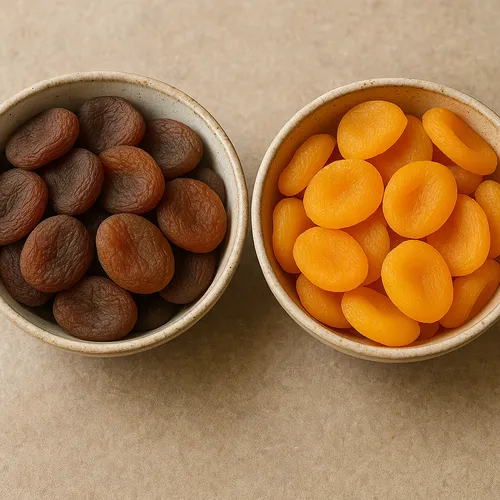
The practical differences between natural and sulfur-treated dried apricots in terms of color, taste, shelf life and positioning for different retail and industrial projects.
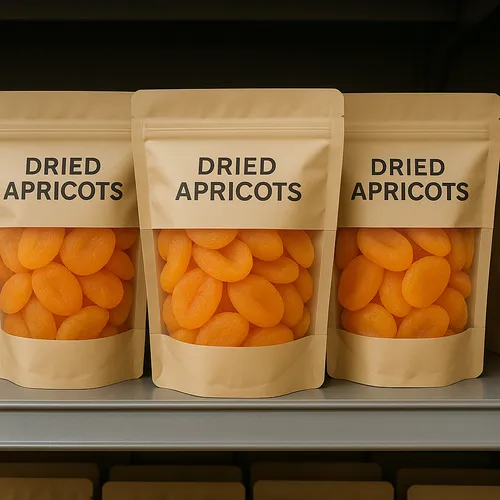
How to translate bulk apricot specifications into attractive pouch concepts, including size choices, color grades and typical price levels by segment.
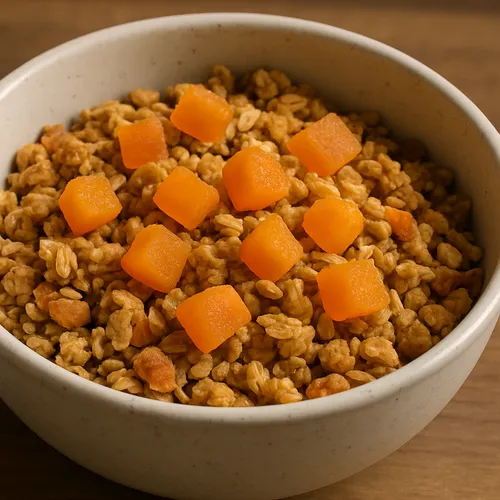
Why cereal and granola manufacturers like using diced apricots, and how to define piece size and moisture levels that work well on production lines.
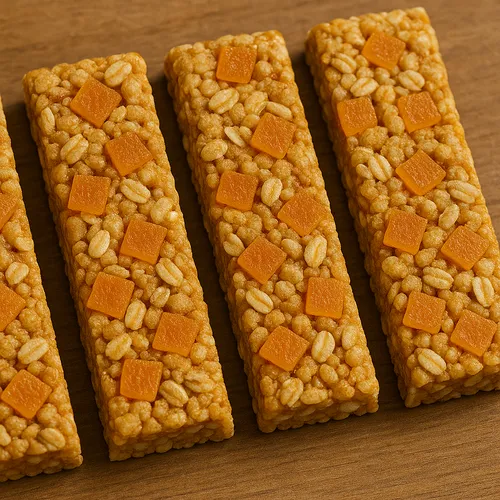
How bar manufacturers use apricot pieces and purees to create naturally sweet, colourful bars, and how bulk buyers can brief suppliers for these formats.
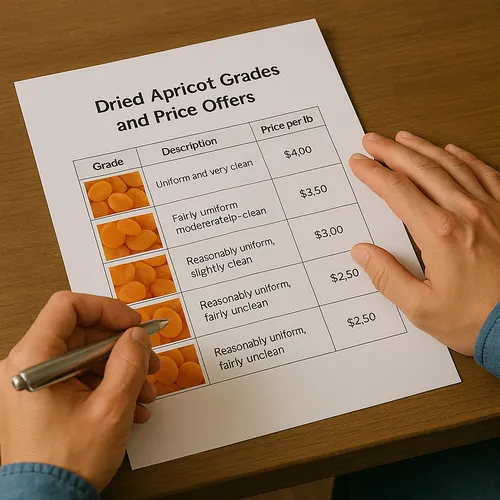
A clear overview of how size, defects, colour and treatment type influence dried apricot prices, and how to compare offers from different suppliers fairly.
How retailers and manufacturers structure season-long dried apricot programs, including contracting, shipment windows and buffer stock to manage demand peaks.
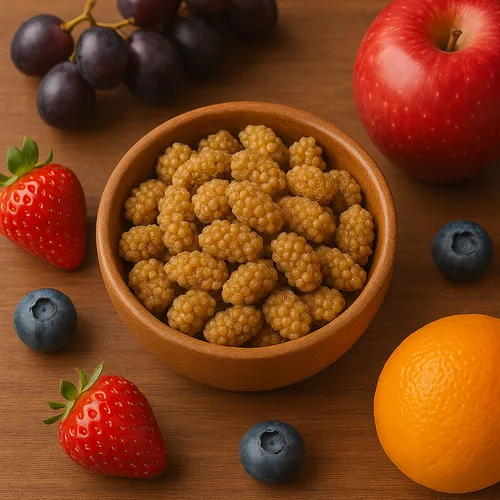
How brands communicate the natural sweetness and clean-label appeal of dried mulberries in retail and online channels targeted at health-focused shoppers.
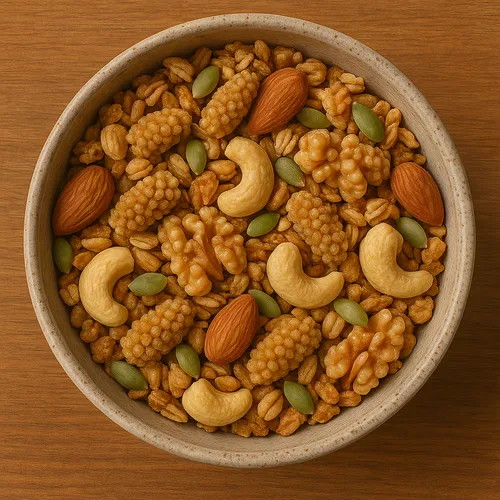
A look at how mulberries complement oats, seeds and nuts in crunchy mixes, and what bulk specifications cereal producers usually require from suppliers.
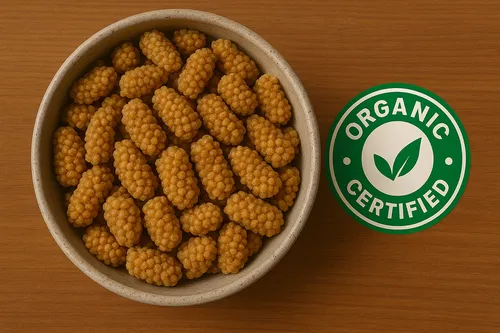
What organic-focused brands look for when sourcing mulberries, including documentation, certification schemes and communication opportunities on pack.

How confectionery producers incorporate mulberries into coated bites, clusters and bars to add texture and a naturally sweet fruit note to their ranges.
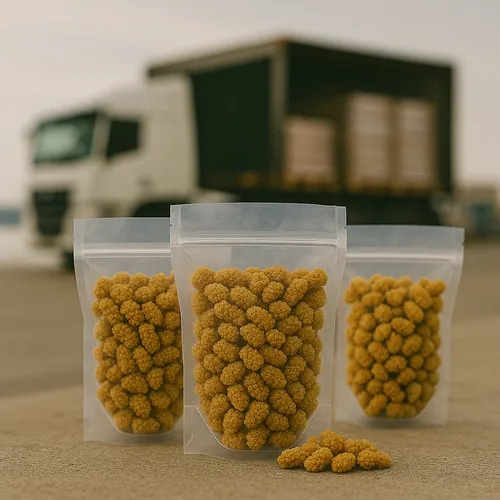
Recommended packaging formats, storage conditions and rotation practices to preserve colour, texture and flavour in bulk mulberry stocks over the season.

Which details matter most to bakery producers using raisins in breads and cakes, and how buyers can translate those needs into clear technical specs for suppliers.
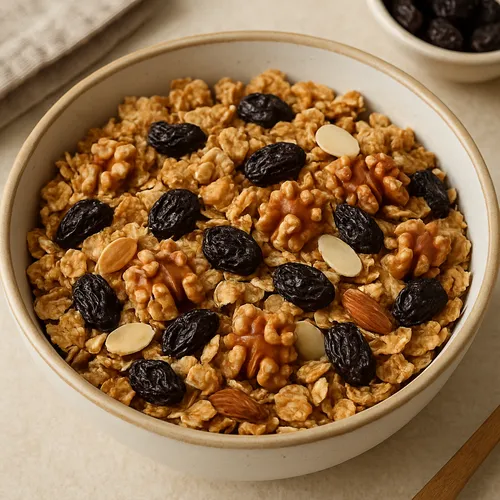
How cereal manufacturers balance sweetness, chewiness and fruit visibility when adding raisins, and which raisin grades fit this role most efficiently.
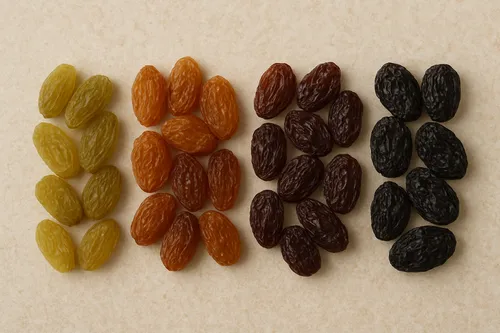
An overview of how colour, uniformity and cleanliness are assessed in raisins, and how these aspects influence buyer decisions for retail and industrial use.
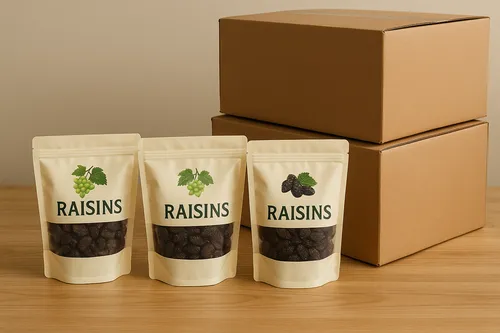
How importers transform bulk raisin shipments into consumer-ready packaging concepts, and what to watch when planning labels, sizes and target price points.

How logistics teams combine raisins with complementary dried fruits to achieve efficient container loads while respecting product compatibility and documentation.
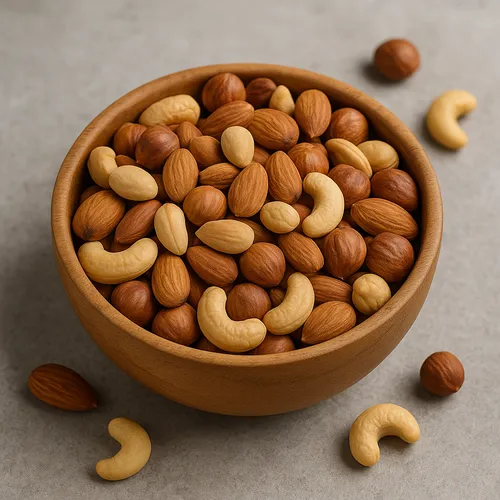
How snack brands incorporate apricot kernels into special mixes, and which taste profiles and roasting approaches work best for different markets.
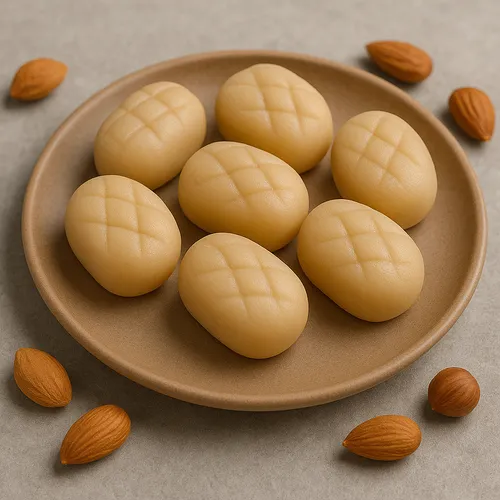
A practical look at how confectionery producers use apricot kernels alongside or instead of almonds, and how bulk specifications support a smooth process.
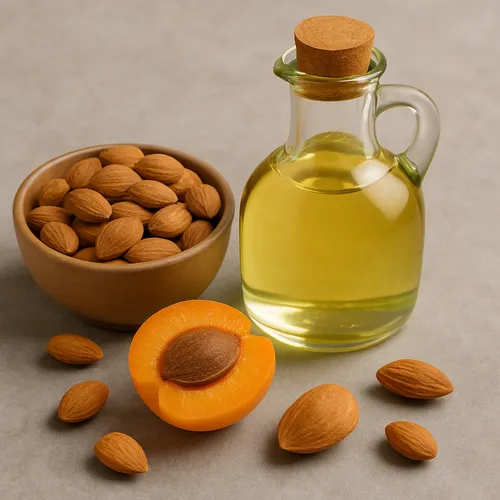
Key considerations for buyers planning kernel oil projects, including cleaning steps, quality needs, by-product handling and long-term supply planning.
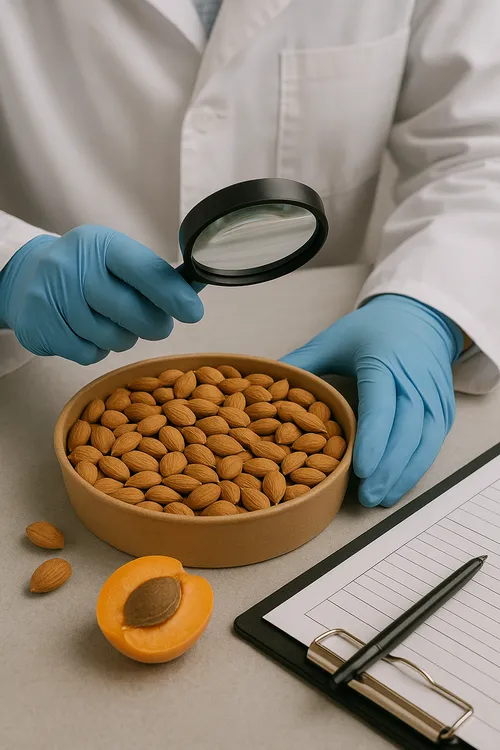
An overview of safety topics manufacturers should review with suppliers, including documentation and specifications to include in contracts.
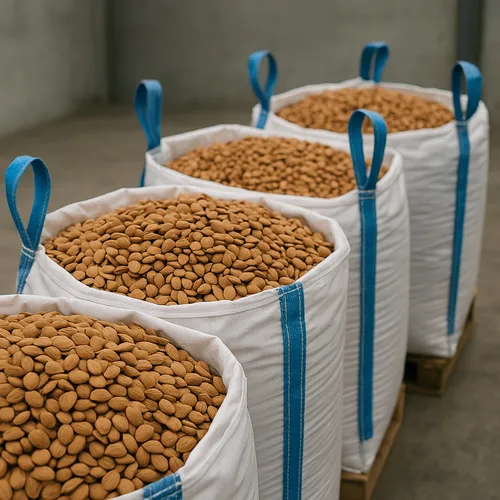
The pros and cons of different bulk packing formats, storage conditions, and how importers plan rotation for season-long kernel supply programs.
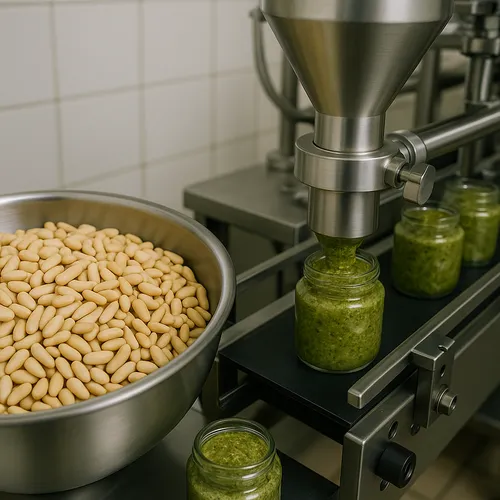
How pesto producers choose pine nut specifications, what they look for in terms of flavour and colour, and how buyers frame long-term supply agreements.
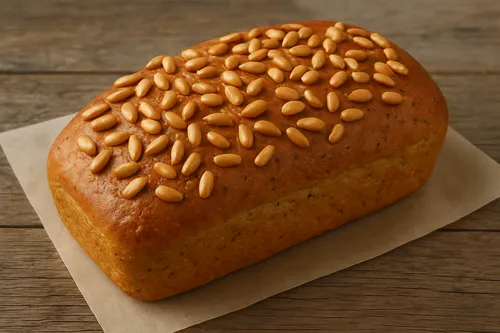
Why bakeries use pine nuts in pastries, breads and toppings, and how controlled size and colour support consistent finished products.
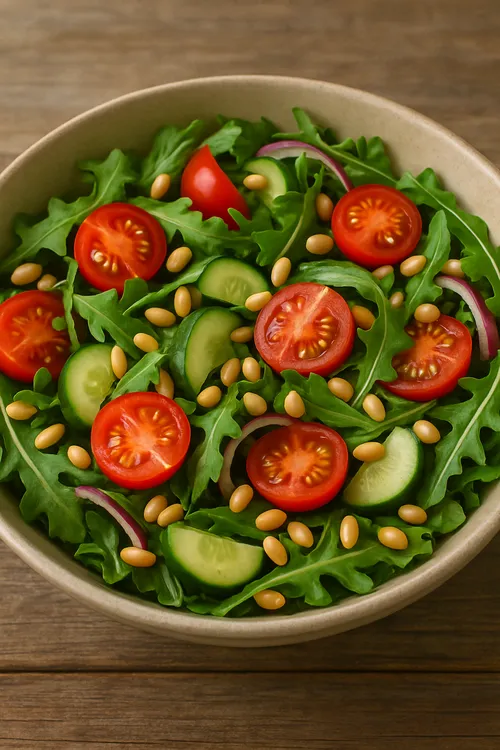
Positioning pine nuts as a premium ingredient for salads, toppings and luxury nut mixes, plus how retailers communicate quality differences on pack.
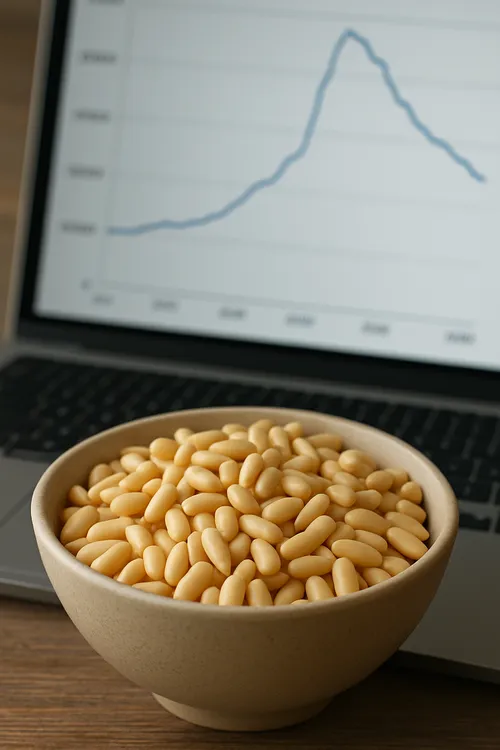
A high-level view of the main drivers behind pine nut prices, and how buyers discuss realistic expectations with suppliers and customers.

How buyers compare origins, quality levels and price points — and how Turkish pine nuts fit within global sourcing strategies.
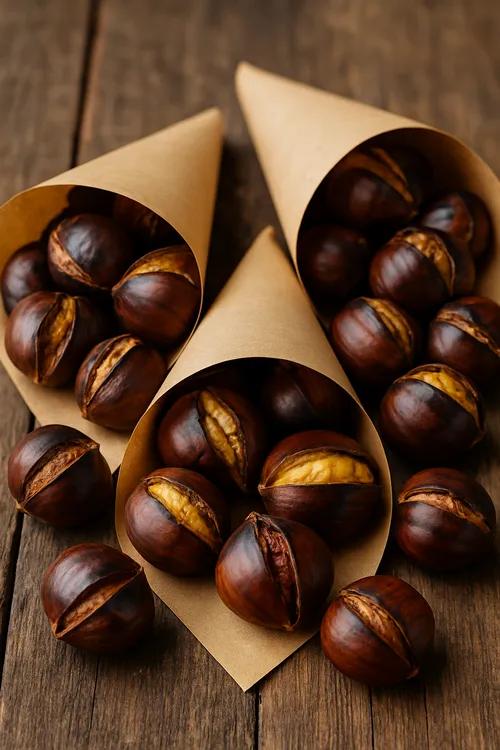
How chestnuts are used in retail roasting concepts, kiosks and seasonal street formats, and which bulk grades work best for such visually demanding uses.
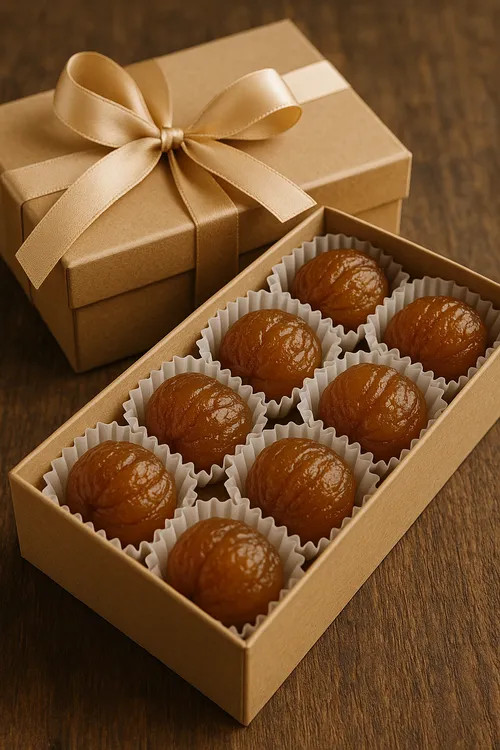
Why confectionery producers prefer carefully calibrated chestnuts for marron glacé and luxury dessert formats.
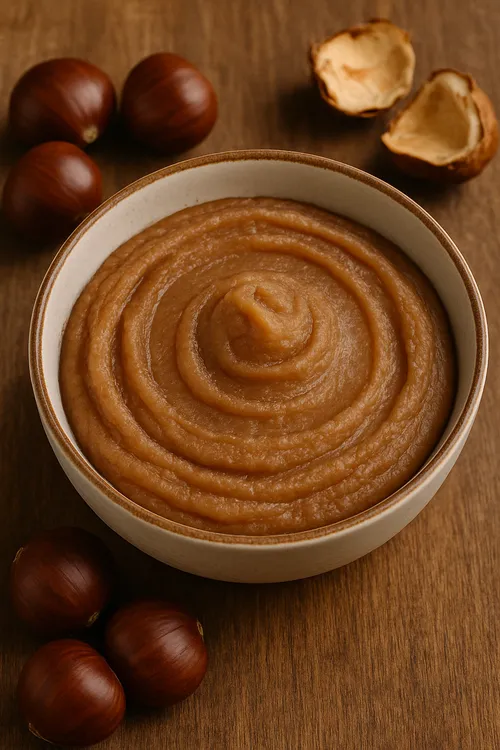
How chestnut purees and pastes are used in fillings, desserts and ready-made products — and what bulk specs industrial users require.
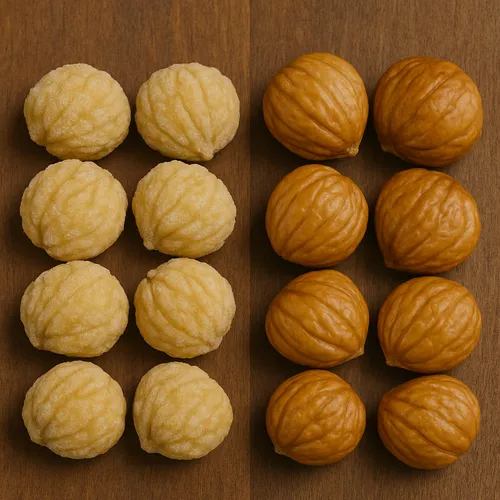
Key logistics, shelf-life, and format differences between frozen and fresh chestnut supply programs for importers.
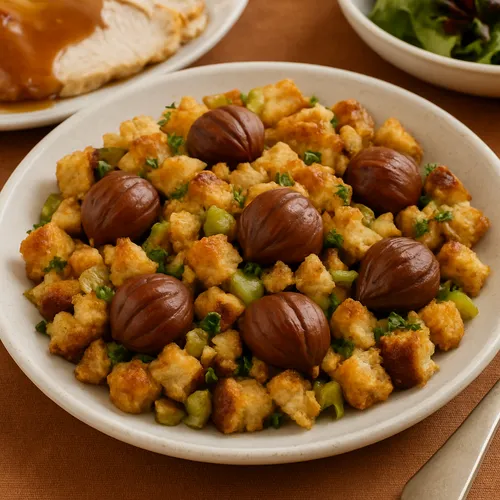
How manufacturers use chestnuts in seasonal ready meals, stuffings, and side dishes — including preferred cuts and preparation styles.

The key visual and internal quality factors importers evaluate when reviewing chestnut offers and defining grades.
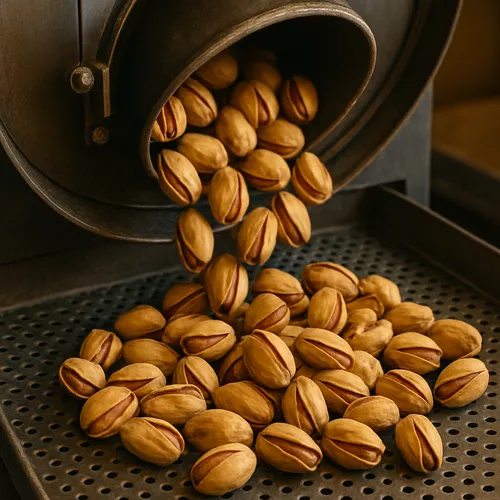
How brands choose pistachio types, roasting styles and flavour profiles for snacking products, and which bulk formats support efficient packing.
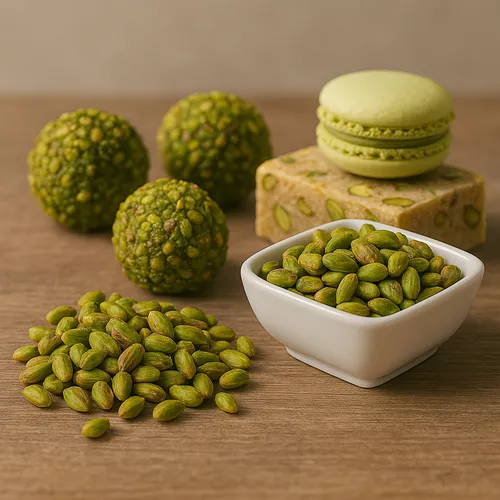
Why confectionery producers focus on colour and visual impact when selecting pistachio kernels — and how grades are defined commercially.
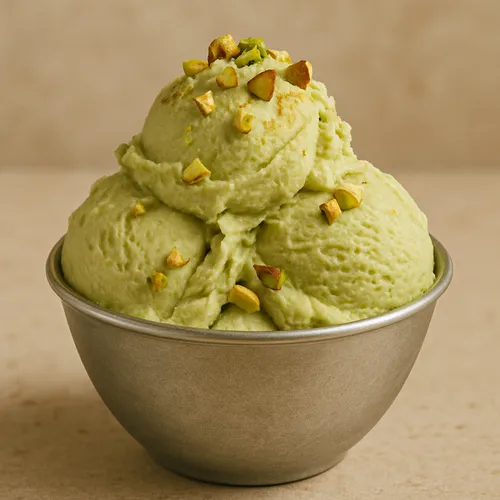
How ice cream brands use pistachio pastes, inclusions and toppings, and what specifications they typically request from bulk suppliers.
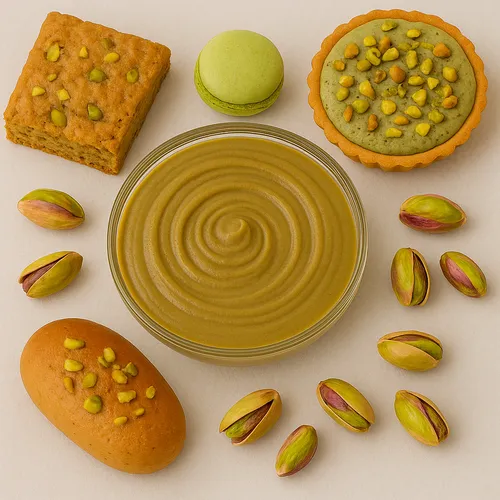
How paste colour, flavour intensity and texture influence performance in spreads and fillings — and how buyers specify these parameters.
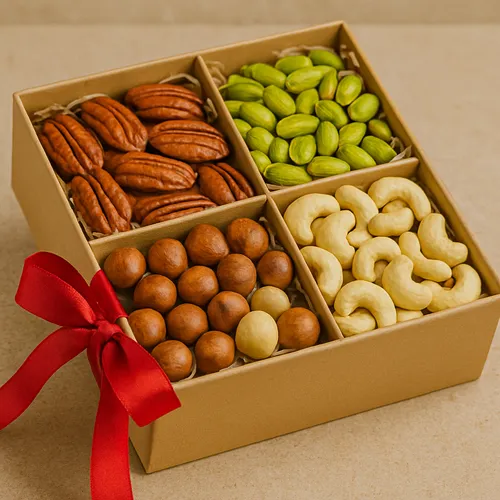
How pistachios elevate perceived value in premium nut mixes and gift boxes, plus common grades and packaging styles used by importers.

How buyers handle price volatility, structure seasonal contracts and communicate price moves with customers.
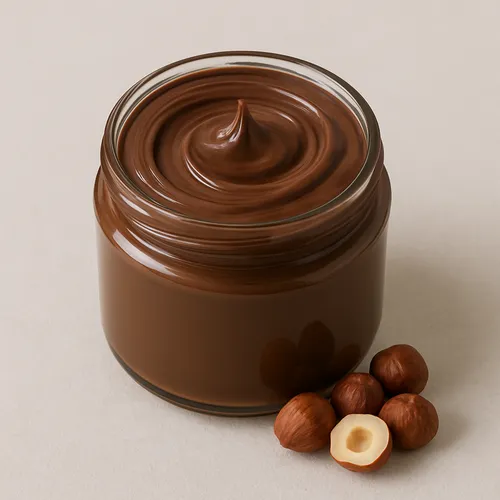
How spread manufacturers define hazelnut requirements regarding roast, flavour and paste performance — and what that means for bulk purchasing.
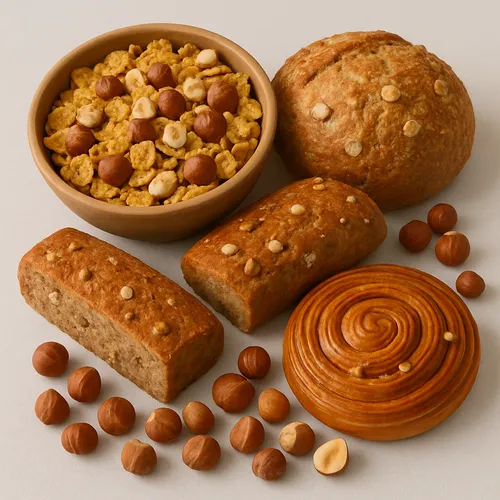
How different cut sizes and roast levels of hazelnuts are used in cereals, bakery products and toppings — and how these choices affect finished-product perception.
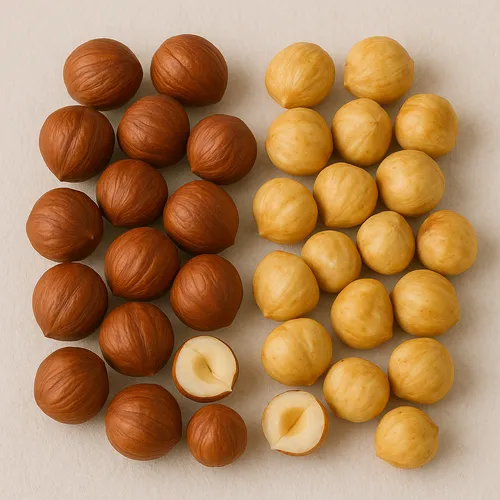
When industrial buyers prefer raw hazelnuts and when roasted formats are more efficient, with examples from chocolate, bakery and snack projects.
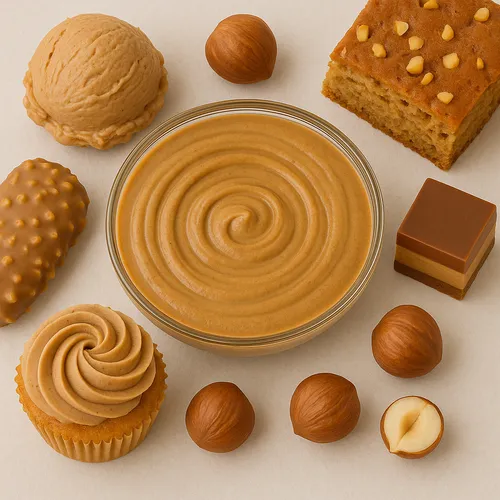
The key parameters gelato and chocolate producers focus on when buying hazelnut pastes — including particle size, flavour intensity and fat content.

How brands highlight Turkish hazelnut origins in storytelling, packaging and online communication — and how this supports premium price positioning.

How importers and manufacturers design season-long hazelnut programs, align on volumes, discuss crop updates and build flexibility into contracts.
Share your target products, approximate volumes, packaging preferences and destination port. Our team will prepare a detailed quotation, including best available prices, loading schedule and documentation information tailored to your business.